Showing posts with label Navajo. Show all posts

Sunday, March 26, 2023

The Long Walk.


Lynne Cantwell 2023
Instances of man's inhumanity to man abound in history. We've all heard about the Holocaust, but such events have happened on American soil, too, and I'm not talking about just slavery. There were Japanese internment camps set up here during World War II. And there was the Trail of Tears -- the thousand-mile march to Oklahoma that wad forced upon the Cherokee and other Eastern and Woodland tribes by the U.S. government in 1868.

There's another such trek that not many people have heard of. It happened in what was then the New Mexico Territory in the early 1860s, before the Trail of Tears, when the U.S. Army -- left at loose ends after Confederate troops were routed from the area during the Civil War -- decided to round up the Mescalaro Apaches and the Navajos and resettle them at Fort Sumner in eastern New Mexico. The commander of the fort, Brigadier General James H. Carleton, ordered Kit Carson to subdue first the Apaches, then the Navajos, and force them to walk to a site next to the fort dubbed Bosque Redondo -- a distance of 450 miles for some of the detainees. Yes, detainees. Make no mistake: Bosque Redondo was a concentration camp.

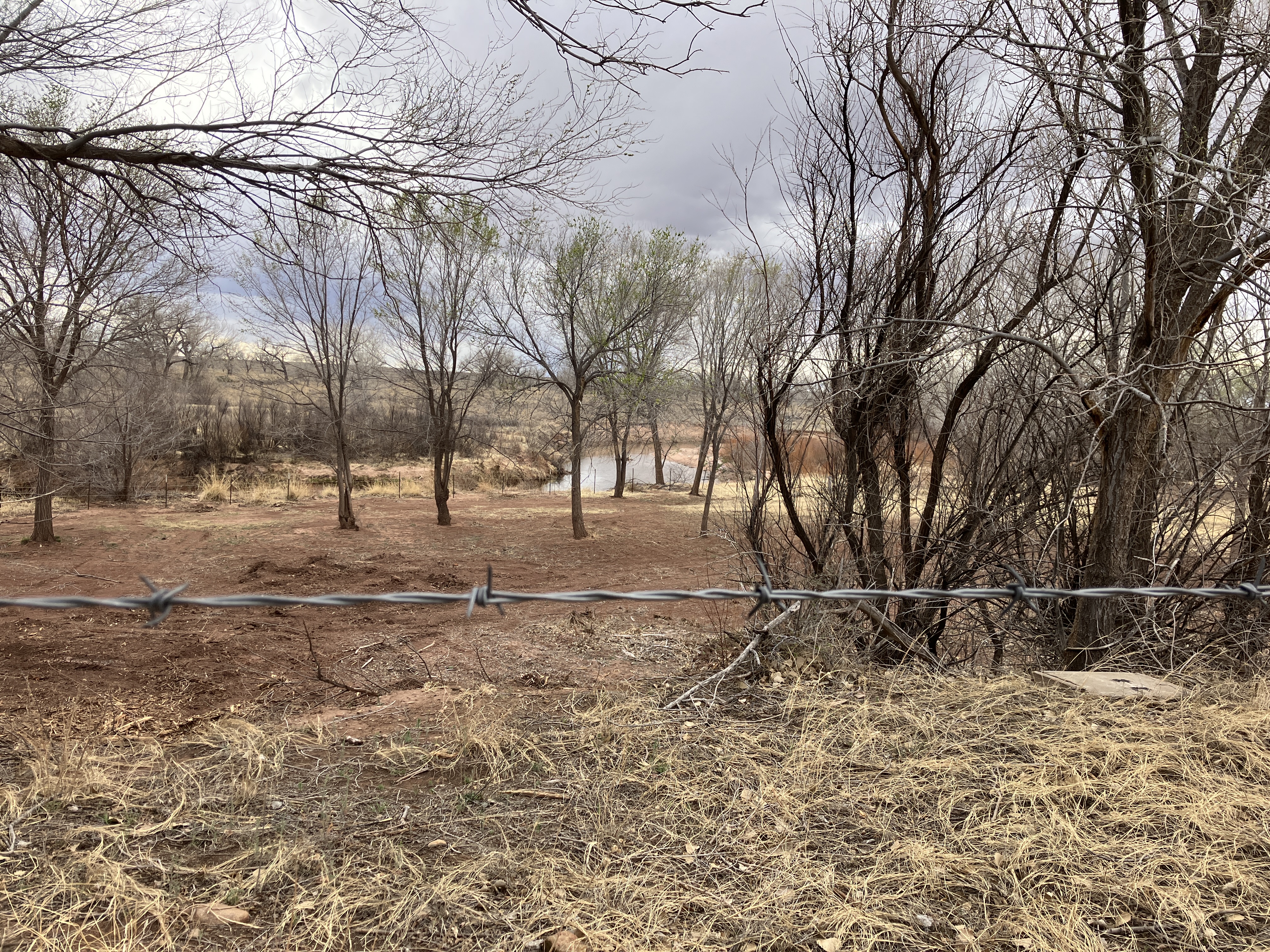
The New Mexico Department of Cultural Affairs has built a memorial marking the Long Walk. This past week, I visited the site. 

Lynne Cantwell 2023
The pictures I took are text-heavy and may be hard to read, so I'll summarize. Fort Stanton, at the bottom of this map, is where the Mescalero Apaches started their walk. You can see Albuquerque in the upper left corner of the map; the Navajos walked from either Fort Defiance in the Arizona Territory, well to the left of this photo, or Fort Wingate.

Carleton's plan was to settle both tribes in villages of adobe-style homes that they themselves would build. Basically, he wanted to make Puebloans out of them. But the Apaches were nomadic and the Navajos were sheepherders; neither had ever built adobe homes. Their lifestyles were totally different from the Pueblo peoples, as well as from each other. Still, Carleton thought he could "reform" them by making them into farmers, converting them to Christianity, and teaching their children English. This, then, could be the model for "civilizing" Indian tribes throughout the West. 

Lynne Cantwell 2023
It didn't work. The crops failed in 1865, due to a combination of drought, hail, and insect infestations. In addition, rations meant for Bosque Redondo were cut as the Civil War continued back east. Not surprisingly, many of the detainees died. 

By November of that year, the Apaches had had enough. On the night of November 3rd, hundreds of them crept away from the camp, leaving just nine young men behind to trick the Army into believing everything was fine. Not long after, those nine left, too.

Did the Army just let them go? Of course not. They tracked them down and killed as many as they could find -- men, women and children. Those who survived scattered, finding homes amongst other tribes.

Lynne Cantwell 2023
By 1868, it was clear to everybody that Bosque Redondo was a failure. But what to do with the Navajos? The White negotiators -- who included William Tecumseh Sherman -- favored removing them to Oklahoma, but the Navajos refused to go anywhere except back home. After extensive talks between the U.S. government and Navajo leaders (the government says they dealt with the men, but the Navajos say their women also had input -- which makes sense, as Navajo society is traditionally matriarchal), on June 1, 1868, the two sides signed a treaty that established the Navajo reservation and allowed them to walk back home.

But the government didn't give up on its plan to civilize the Indians. Included in the treaty was a provision that Navajo children would be sent to school. Enter Christian missionaries. The photo below shows how the kids were split up: the smallest went to a Catholic-run school; taller kids went to a Presbyterian-run school; and the tallest went to a Mormon-run school. 

Lynne Cantwell 2023
Boarding school became the model for educating Indian children in both this country and Canada: yank them from their families, cut off their hair, force them to wear White clothing, and rob them of their language and traditions. And that's just the start of the abuse these kids received. Thousands of children who died at the schools were simply buried there. 

And yet, Native Americans have survived. The reason this memorial is at Fort Sumner at all is due to a group of Navajo teens who visited the site on a field trip in 1990. 

Back in the 1980s, Fort Sumner's town fathers, with an eye toward tourist dollars, were all about Billy the Kid, the notorious outlaw who was killed there in 1881 and whose grave is just down the road from Bosque Redondo. The Navajo kids were incensed by what they saw. They wrote a letter accusing the state of ignoring the atrocities that had occurred at the site and left it for officials to find. For the next several decades, the state of New Mexico consulted with the Mescalero Apache tribe and the Navajo Nation to tell the story of what happened at Bosque Redondo. The resulting memorial is very well done. 

The Bosque Redondo Memorial is about two and a half hours from either Albuquerque or Santa Fe. If you're ever in the area, I heartily recommend a visit. 

***
These moments of solemn bloggy remembrance have been brought to you, as a public service, by Lynne Cantwell. Stay safe, y'all.

Sunday, January 9, 2022

Making the mundane sacred.

I usually agree with John Beckett, the Druid priest who blogs over at Patheos Pagan. But I had a problem with today's post from the get-go.

His post is in response to a question he received on a post-class survey: "How can we learn to see mundane activities through a sacred lens?" His TL;DR response: we can't. Because as soon as we consider the mundane sacred, the sacred necessarily becomes mundane.

That's going to be news to the members of certain Native American tribes, not to mention monks of various religious orders. 

It's easy, I think, for most of us to see how Catholic monks would consider day-to-day activities as sacred. They've pledged their lives in service of their Lord, so anything they do that helps the community thrive becomes a sacred duty -- even peeling potatoes and scrubbing floors. While Buddhist monks don't pledge their lives to a deity, they do separate themselves from the world in order to achieve enlightenment. Buddhists employ various types of meditation to reach this state, and enlightenment can strike any time -- even, say, when doing the dishes. 

Quasarphotos | Deposit Photos
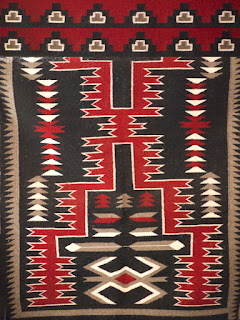
As for Native Americans, the first thing I thought of was the Navajo Beauty Way. For the Navajo, as I understand it, beauty isn't just superficial; it's a way of life. It's living in balance with the land, with other people (including non-human people), and with their spirits. If a Navajo has somehow fallen away from the Beauty Way, whether by their own actions or through no fault of their own, rituals may be done to set them on the right path again.

I am broadly generalizing here. But the common denominator, as I see it, is in the attitude you employ as you go about your day. You don't have to be a monk or a Navajo to attain this, either: If you have settled on what you consider to be your moral imperatives, and you build your life around them, then everything you do that gets you to the goal of living your truth could be considered sacred. In other words, it's not the stuff around you that's sacred, although depending on how you believe it all got here, it could be; the important thing is how you interact with it.

Let's say you're a lawyer. What they teach you in law school is that everybody -- and I mean everybody -- is entitled to representation before the law. If that's your moral imperative, then you theoretically would have no qualms about representing a defendant who has admitted to killing multiple people in the most gruesome manner possible. Sure, your client is a horrible human being, but they deserve -- they must have -- a lawyer who will advocate for them before a judge and jury, and even plead for mercy.

That's one sort of moral imperative. But what if you're a lawyer whose moral imperative is that killing is wrong? Or what if you've been okay with representing killers for a while now, but something has changed? Maybe your latest client shot up a school, and you have kids who are the same age as the victims. (Full disclosure: I soured on being a news reporter when I had to cover a story about a scumbag who killed his three-year-old stepson because he wouldn't eat Thanksgiving dinner. He buried the boy's body in a truck toolbox in the Great Dismal Swamp. My daughters were toddlers at the time.) Now you have a moral dilemma. How do you resolve it? Do you move into another field? Or do you keep doing your job, even as you feel yourself falling farther and farther away from what the Navajo call the Beauty Way?

In The Pipe Woman Chronicles, Naomi Witherspoon resolves a similar dilemma by becoming a mediator. And then she meets a Lakota goddess and a hot Ute shapeshifter, but I digress. 

And I guess I've digressed pretty far from the point of this post, which is this: I believe that if you're working toward living an ethical life -- in other words, living up to your own standards of morality -- then every step you take toward that goal can be considered sacred. Even doing the dishes.

***

These moments of moral blogginess have been brought to you, as a public service, by Lynne Cantwell. Do the right thing: Mask up, maintain your social distance, and above all, get vaxxed!